The Significance of Empathy and Support in Mental Health
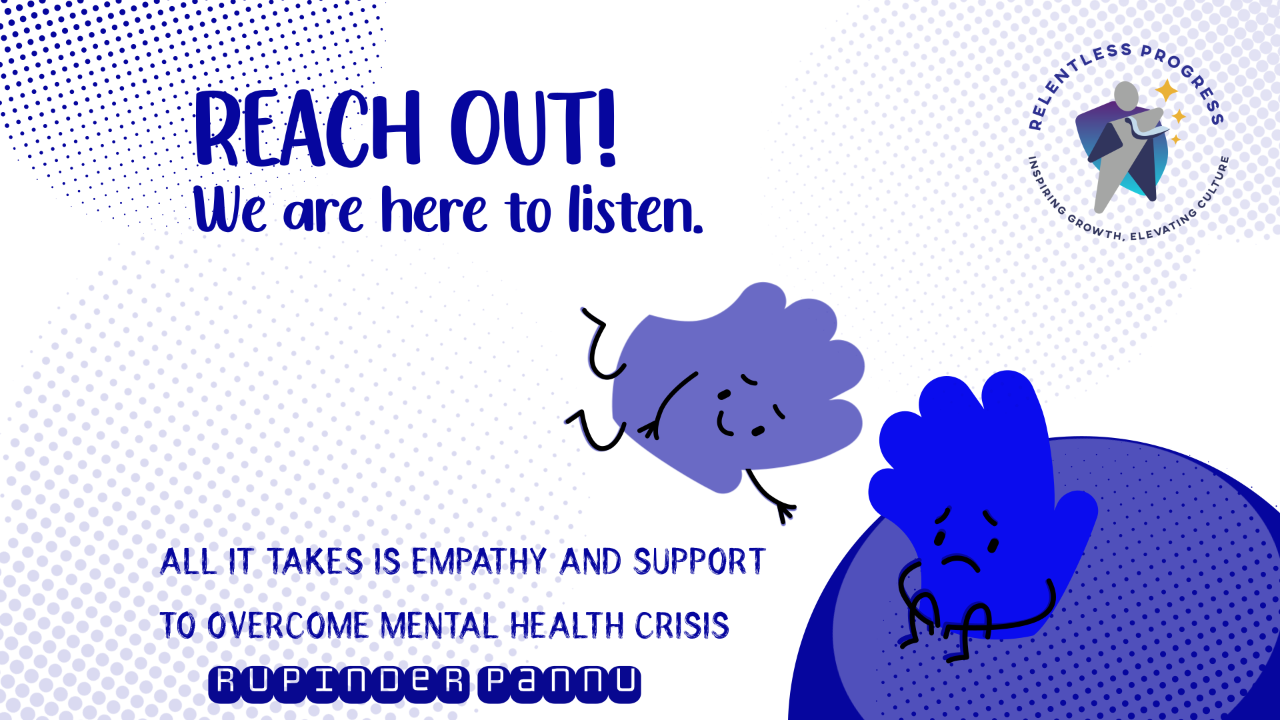
Mental health is a vital part of overall well-being, yet it is often overlooked in comparison to physical health. Many individuals silently navigate mental health challenges, and while some find the courage to seek help, they may still encounter misunderstanding or judgment in personal or professional environments.
Often, support begins with something simple—asking, “How are you doing?” or “Is there anything I can do to help?”These small moments of care can open the door to connection, understanding, and healing.
Empathy and presence matter. Feeling unseen or unsupported can deepen emotional strain, while knowing that someone is willing to listen—without judgment—can make a meaningful difference. Offering support, checking in, and creating space for honest conversations help individuals feel less alone as they navigate life’s challenges.
When mental health concerns are dismissed or met without sensitivity, the consequences can grow more serious over time. This is why empathy and awareness are essential—not just at an individual level, but within families, workplaces, and communities.
The Global Mental Health Landscape
According to the World Health Organization, mental health conditions affect people across all ages and regions. Some key insights highlight the scale of this challenge:
-
Depression: More than 280 million people worldwide experience depression.
-
Anxiety Disorders: Approximately 284 million individuals live with anxiety-related conditions.
-
Suicidal Behavior: Nearly 700,000 lives are lost to suicide each year, making it one of the leading causes of death among individuals aged 15–29.
-
Impact on Youth: Mental health conditions account for a significant portion of health challenges among children and adolescents aged 10–19.
These realities underscore the importance of fostering empathy, reducing stigma, and encouraging supportive environments where individuals feel safe seeking help.
By nurturing cultures of understanding and compassion, we can help normalize conversations around mental health and ensure people feel valued rather than isolated. Support does not require having all the answers—it begins with listening, acknowledging, and caring.
In conclusion, empathy and support are not optional when it comes to mental well-being—they are essential. Through awareness, compassion, and connection, we can contribute to healthier individuals and stronger communities, creating spaces where everyone feels supported on their journey toward mental wellness.
Disclaimer
The information shared in this reflection references publicly available data from the World Health Organization (WHO). Statistics and insights may evolve as global research continues. For the most current and detailed information, readers are encouraged to consult official WHO publications and mental health resources.
